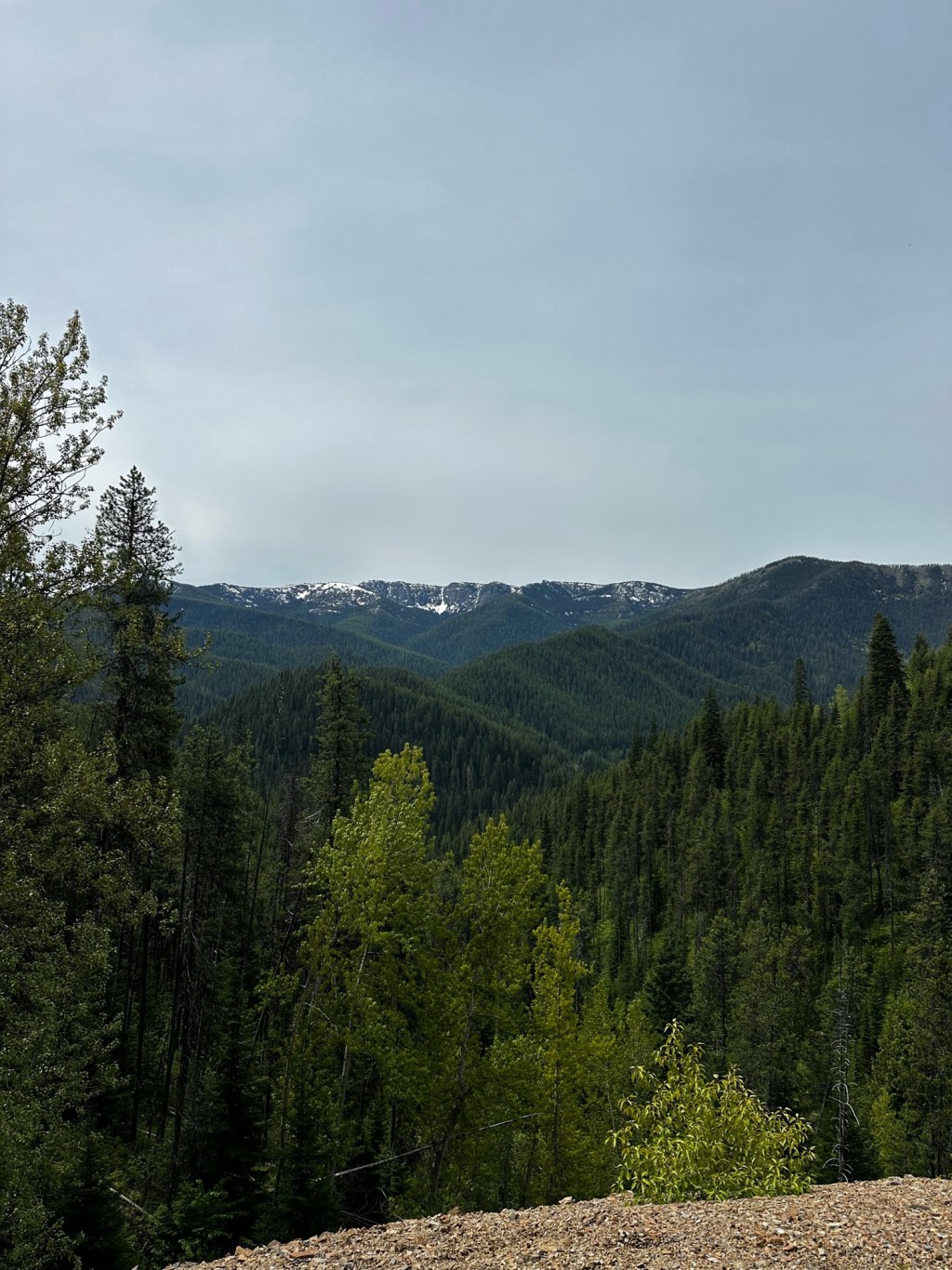
A traveling journalist dubbed Taft, Montana, the “wickedest town in America”.
With picks and shovels, hundreds of hairy, wild men dug out a railroad on the Montana/Idaho border. Taft was where they came home, put their feet up, smoked a cigar, and tried to forget the dirt and grease that went with their job. They also gambled, their elbows sloshing full mugs of beer.
Winter became a snowy terror. Screams tore the air in the middle of the night. The next morning there would be a fresh grave under the snow. If you don’t like someone, kill him. If you throw the wrong dice, you know what to do.
Loose morals, wicked women—a frightening place, this route of the Hiawatha.
Peace be with you, Hiawatha. Peace be with you and your people!*
Then came the night when stars dissolved into sparks as a raging forest fire ignited in the timbered mountains. It burned until the whole earth seemed trapped in the flames. Animals fled. Some slowly roasted, hair sizzling. The smoke clouded over the sun from Montana to New York.
As the fire advanced, the people of Taft pulled out the booze. If they were going to burn alive, they wanted to go down drunk.
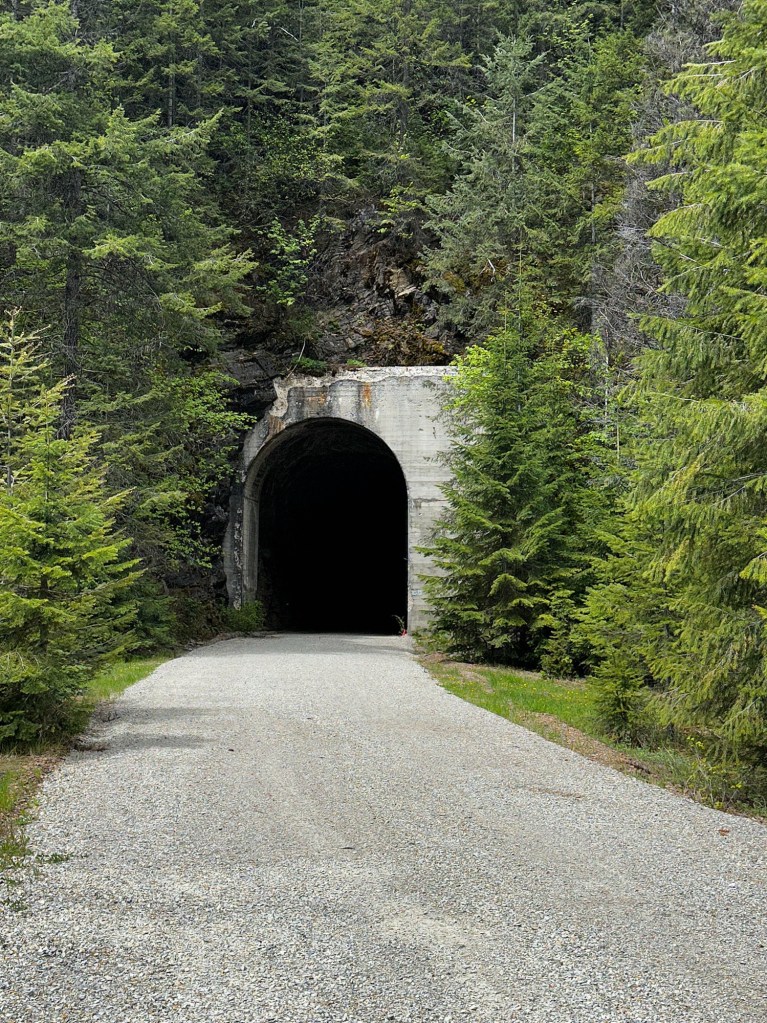
Railway employees—these uncouth, hardened men—led many people to the Taft tunnel. Running across burning trestles, the timbers cracking beneath them, they reached the entrance with charred skin and blackened faces.
It was a dripping refuge, a dank hole in the earth. The fire obliterated everything outside, while the weary survivors huddled in the mud. The wickedest men in America saved over six hundred lives in the railroad tunnels.
A railroad laborer, known as a “gandy dancer” panicked and jumped off a moving rescue train. This was his last dance. Now his body rests beside the trail, marked with a white cross.
Roaring flames and smoke. Lives hang in the balance. Days. A week. Still trapped in this darkness.
That the feeble hands and helpless, groping blindly in the darkness, touch God’s right hand in that darkness and are lifted up and strengthened.*
Weeks later, the fire spent itself. The pioneers of the west crawled out of the ground and surveyed the remains of their infamous town. Taft had burned into the dirt. It was never rebuilt.
The work must go on. Boring through solid rock, groveling under snow drifts, casualties common: to save the American dream, the work must go on.
And yet, the Song of Hiawatha remained true. This was a wildly beautiful place on earth.
With the dew and damp of meadows,
With the curling smoke of wigwams,
With the rushing of great rivers,
With their frequent repetitions,
And their wild reverberations
As of thunder in the mountains.*
The Great Spirit reflected Himself in the timber and the April rivers.
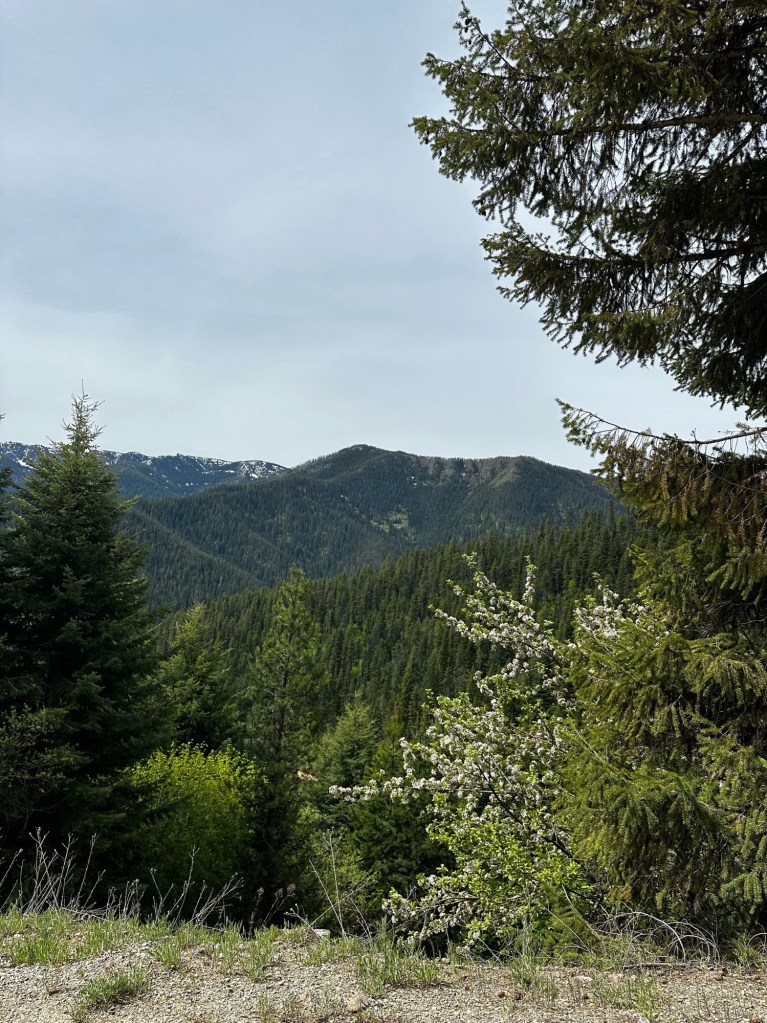
Almost a century after the first men began hacking into the mountainside in 1909, the Hiawatha line went bankrupt for the last time. Now the route of Hiawatha is a bike trail, Taft is a grassy plot beside it, and the tragedies of its people are buried under years of soil and brush.
“I am going, O my people,
On a long and distant journey;
Many moons and many winters
Will have come, and will have vanished,
Ere I come again to see you.
But my guests I leave behind me;
Listen to their words of wisdom,
Listen to the truth they tell you,
For the Master of Life has sent them
From the land of light and morning!”*
*https://www.hwlongfellow.org/poems_poem.php?pid=62
 Grace-hallowed Days
Leave a comment